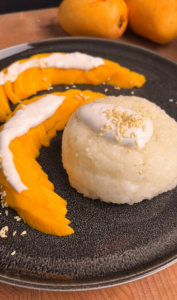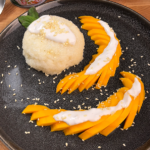
Easy Rice Cooker Mango Sticky Rice Recipe | Thai Dessert
Make Thai mango sticky rice in a rice cooker! Chewy coconut sticky rice, ripe mango & salted coconut sauce make this easy Thai dessert irresistible.
Servings 2 people
Cost $5
Ingredients
For the Sticky Rice
- 200 g white glutinous rice
- Water for cooking
For the Sweet Coconut Cream
- 80 ml coconut milk
- 50 ml water
- 50 g sugar
- Light sprinkle of salt
For the Salted Coconut Cream
- 50 ml coconut milk
- 1/8 tsp salt
- 1 tsp rice flour or corn starch
- 1 tbsp water
For Serving
- Ripe mangoes
- Toasted sesame seeds for garnish
Instructions
Wash the Glutinous Rice
- Measure out your glutinous rice and rinse several times until the water runs mostly clear. Drain the rice thoroughly.
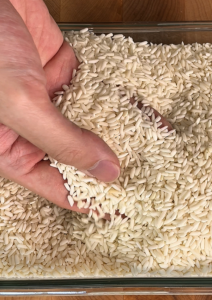
Cook the Sticky Rice in a Rice Cooker
- Transfer the drained glutinous rice to your rice cooker.
- Add enough water according to your rice cooker's instructions for cooking sticky or glutinous rice. If your rice cooker doesn't have a dedicated sticky-rice setting, use its regular white-rice setting and check the rice once the cooking cycle is complete.
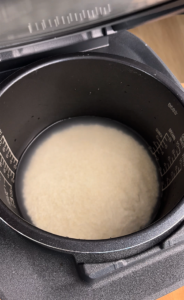
Prepare the Mango
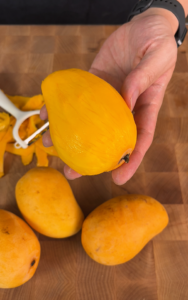
- Peel your ripe mangoes and slice them into thin pieces or bite-sized chunks.
- The mango is an important part of the dish, so use fruit that's ripe, sweet, and juicy. If the mango is underripe or tart, it won't provide the same contrast against the creamy coconut sticky rice.
Make the Sweet Coconut Cream
- The first coconut mixture is the most important because this is what flavors the sticky rice.
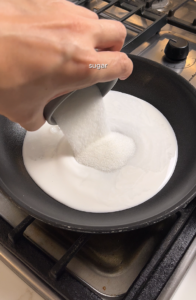
- In a small saucepan, combine coconut milk, water, sugar and a small amount of salt. Warm the mixture over low heat, stirring until the sugar has completely dissolved.
- Don't bring the coconut milk to a boil. Once the mixture is smooth and warmed through, remove it from the heat.
Let the Rice Absorb the Coconut Cream
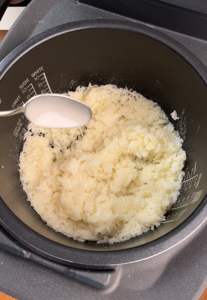
- While the rice is still warm, gradually pour in the sweet coconut cream and gently fold it through the rice. Give the rice time to absorb the coconut mixture. Let it rest for approximately 15–20 minutes while you make the second batch of coconut cream.
Make the Salted Coconut Cream
- While the rice is resting, prepare the second coconut mixture.
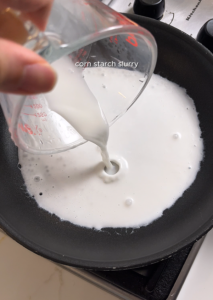
- In a small saucepan, combine coconut milk and salt. In a small dish, combine 1 teaspoon of rice flour with 1 tablespoon of water.
- Warm the coconut milk and salt over low heat, then slowly stir in the rice flour/corn starch mixture. Continue stirring until the coconut cream thickens slightly.
Assemble the Mango Sticky Rice
- Spoon the coconut-infused sticky rice onto a serving plate.
- Arrange the sliced mango alongside the rice, then drizzle the salted coconut cream over the sticky rice.
- Finish with a sprinkle of toasted sesame seeds.