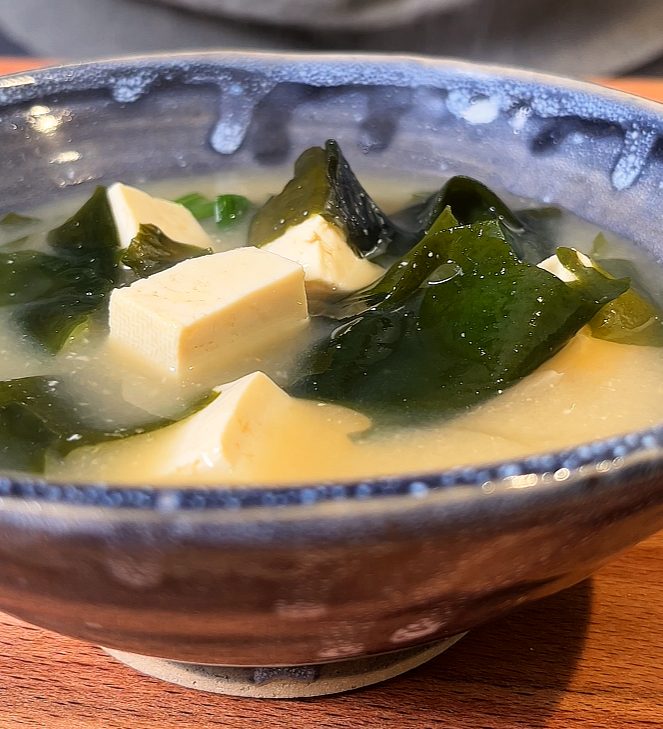

Homemade Miso Soup (Easy, Authentic & Better Than Restaurant)
Miso soup is one of the easiest and most comforting Japanese dishes you can make at home. It’s warm, savory, and packed with umami, yet comes together in just 15 minutes with a handful of simple ingredients.
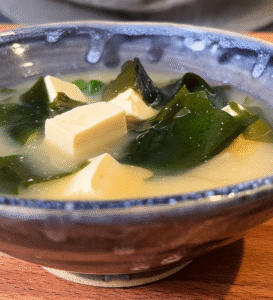
This easy miso soup recipe uses dashi, tofu, and wakame to create a light but deeply flavorful broth that tastes just like what you’d get at a Japanese restaurant.
The best part is how customizable it is. You can keep it simple or load it up with tofu, seaweed, and vegetables depending on what you have on hand.
Once you make it yourself, it quickly becomes one of those go-to recipes you come back to again and again.
Heads up: This post contains affiliate links. That means I may earn a small commission if you buy through them — at no extra cost to you. Thanks for supporting Drew Eats!
What Is Miso Soup?
Miso soup is a traditional Japanese soup made from a simple combination of dashi (a light broth) and miso paste, a fermented soybean paste that adds deep savory flavor.
It is commonly served as a side dish in Japanese meals, often paired with rice, grilled fish, or other small dishes. Despite its simplicity, the flavor is rich, comforting, and packed with umami.
Most versions include tofu, seaweed (wakame), and green onions, but the ingredients can vary depending on the region and personal preference.
Got extra miso? Try making this miso glazed chicken recipe!
Types of Miso: Which One Should You Use?
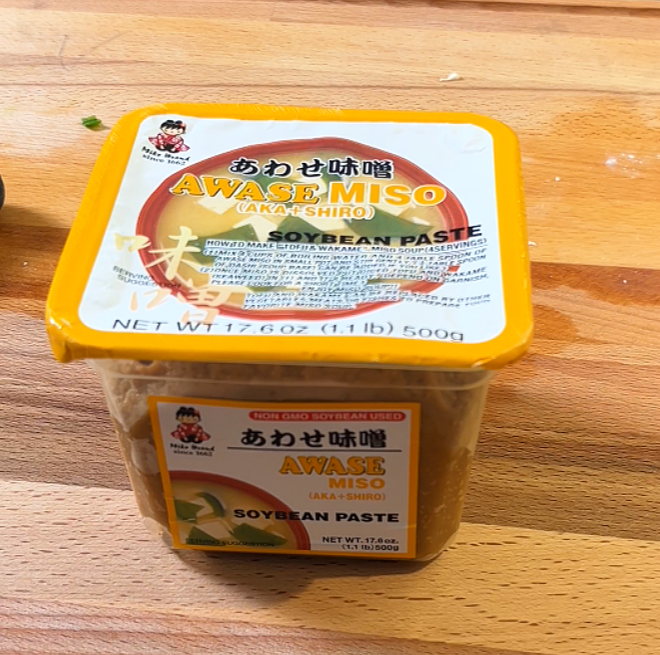
Not all miso is the same! There are a few main types, each with its own flavor profile. White miso (shiro miso) is mild, slightly sweet, and perfect for a lighter soup. Red miso (aka miso) has a deeper, saltier, and more robust taste that makes a heartier bowl.
There’s also mixed miso (awase miso), which blends the two for a balanced flavor. Try experimenting to see which one suits your taste best! I prefer awase miso since it is a good middle ground of the different types, hence more versatile.

What Is Dashi and Why It Matters
Dashi is the base of traditional miso soup and is what gives it that signature savory, umami flavor.
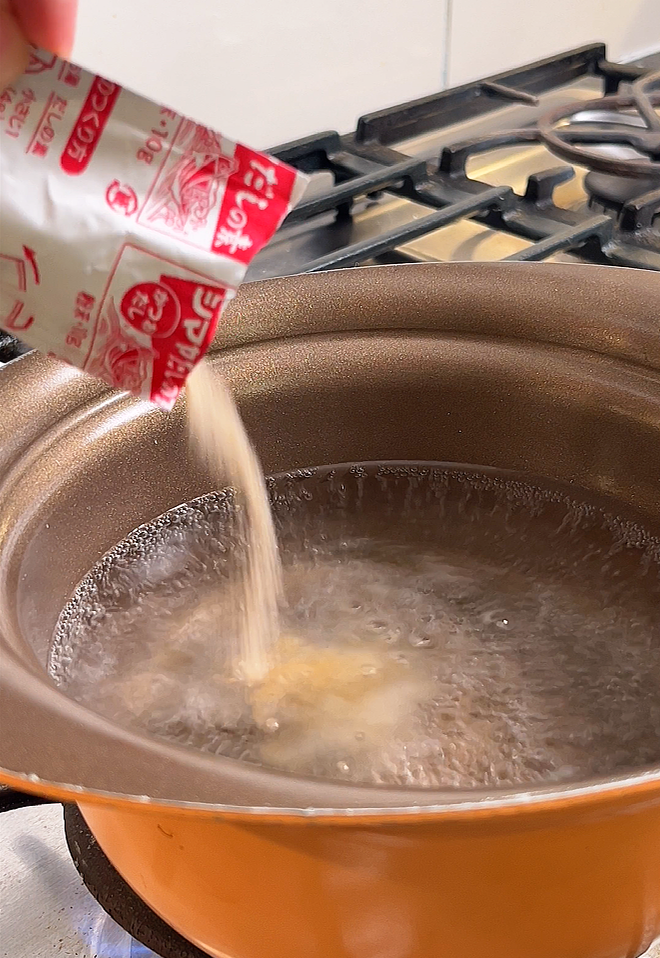
It is typically made from ingredients like kombu (seaweed) and bonito flakes, but using dashi powder is the easiest way to get that same flavor at home.
Without dashi, miso soup can taste flat. Even though the ingredient list is simple, dashi is what ties everything together and makes the soup taste like something you would get at a restaurant.

More Japanese Inspired Dinners
Why You Should Add Miso at the End
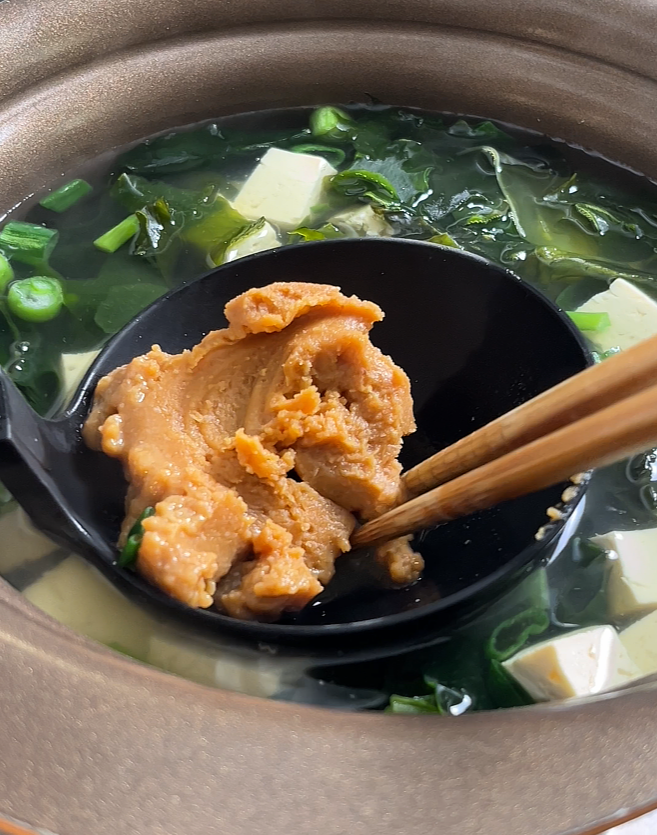
One of the most important things to know about making miso soup is when to add the miso paste. If you stir it in while the pot is boiling, the high heat will destroy many of the beneficial probiotics and also dull the delicate, savory flavor.
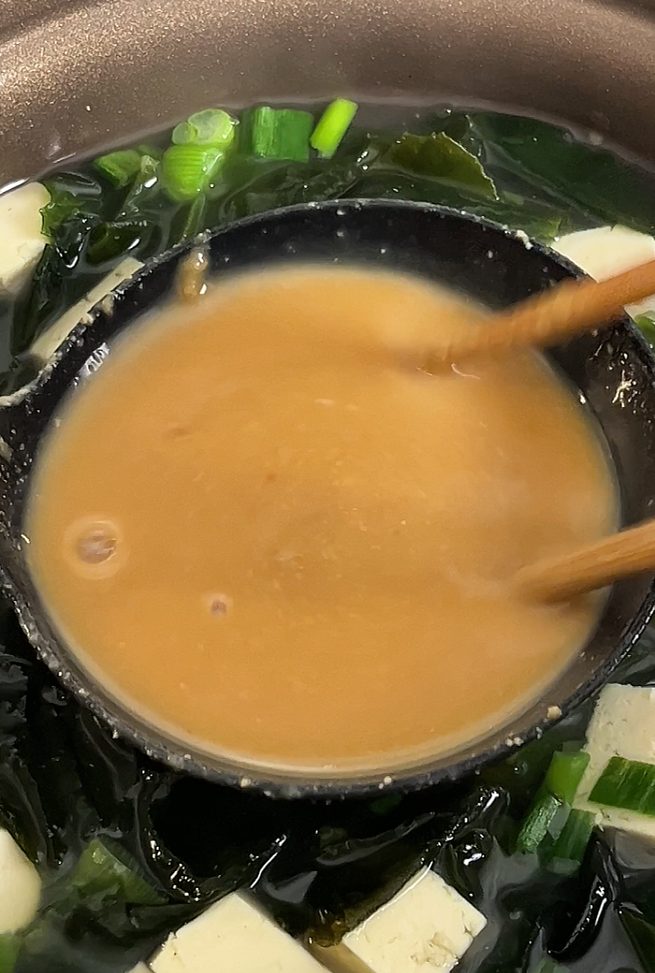
The best method is to turn off the heat first, place miso in a ladle, then gentle whisk into the broth. Use a ladle like this one that has a deep and over-sized head to maximize your efficiency! This way, you keep all the goodness intact and your soup tastes brighter and more complex.

Tips for the Best Homemade Miso Soup
Do not boil the miso
- High heat can dull the flavor and reduce the quality of the soup. Always add miso after turning off the heat.
Don’t add too much seaweed at first
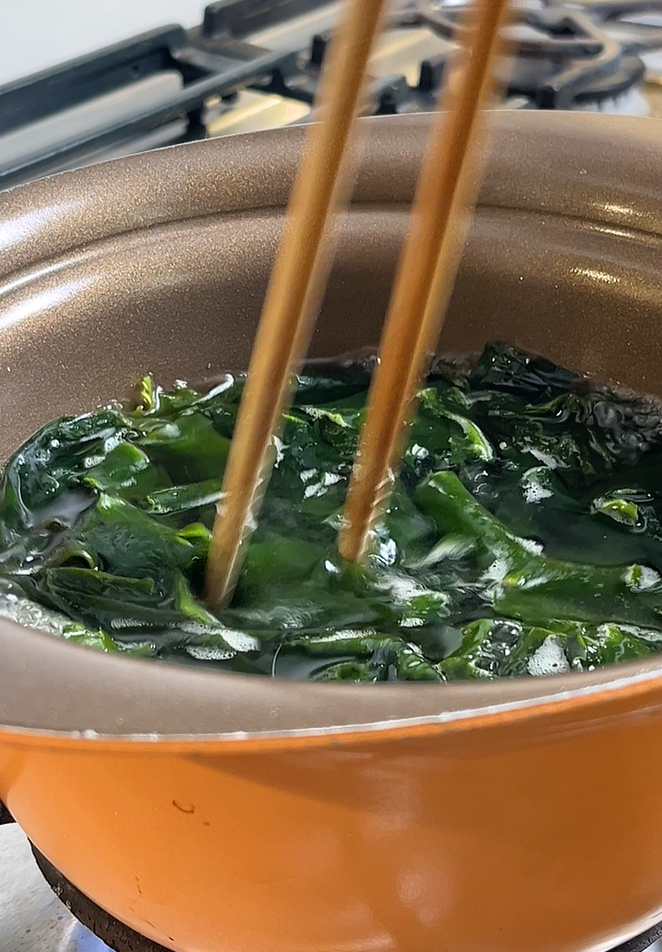
- Dried wakame expands a lot. Start with a small amount or your soup can become overcrowded.
Do not skip the dashi
- Miso alone is not enough. Dashi is what gives the soup its depth and authentic flavor.
Do not overcook the tofu
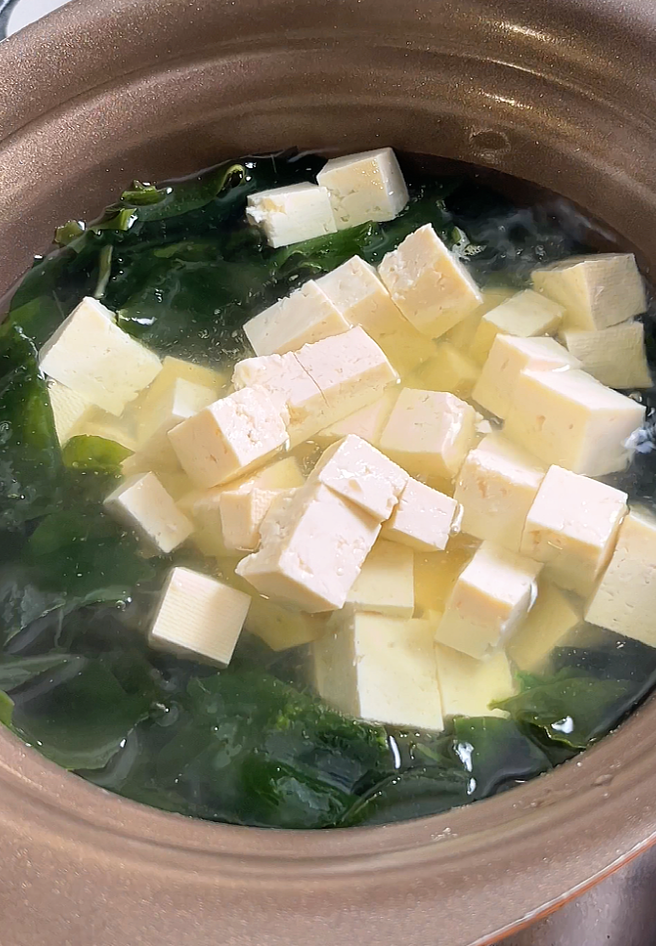
- Tofu should be gently warmed, not boiled, to keep its soft texture intact.

Variations and Add-Ins
One of the best things about miso soup is how customizable it is.
You can add mushrooms, spinach, napa cabbage, or even thinly sliced pork for a heartier version. For a lighter option, keep it simple with tofu and seaweed.
You can also experiment with different types of miso to adjust the flavor depending on your preference.

How to Store and Reheat Miso Soup
Miso soup is best enjoyed fresh, but it can be stored if needed.
Store leftovers in an airtight container in the refrigerator for up to 2 days. Keep in mind that the tofu and seaweed may change texture slightly over time.
To reheat, warm the soup gently over low heat. Avoid boiling, as this can affect the flavor of the miso. If needed, add a splash of water to balance the broth.

Frequently Asked Questions
Can I make miso soup without dashi?
Yes, but the flavor will be much lighter. Dashi is what gives miso soup its signature umami depth. If you skip it, the soup can taste a bit flat, so I highly recommend using dashi powder or a simple homemade version if you can.
What type of miso is best for miso soup?
Awase miso (a mix of white and red) is the most versatile and a great starting point. White miso is milder and slightly sweet, while red miso has a stronger, saltier flavor. It really comes down to personal preference.
Is miso soup supposed to be cloudy?
It has a mild heat from the doubanjiang, but it’s not overly spicy. You can easily adjust it by using less or skipping it altogether.
Can I make miso soup ahead of time?
You can, but it is best enjoyed fresh. If making ahead, store it in the fridge and reheat gently without boiling. For best flavor, you can also prepare the broth and ingredients in advance and add the miso just before serving
Can I use firm tofu instead of soft tofu?
- Yes, but soft or silken tofu is traditionally used because of its smooth texture. Firm tofu will work, but it will give the soup a slightly different bite.
Ingredients
- 4 tbsp miso paste (white, red, or awase)
- 4 cups water
- 4 tsp dashi powder
- 200 g soft tofu (silken or soft)
- 1 tbsp dried wakame seaweed
- 1 green onion, sliced
Step by step instructions
1. Cut the tofu
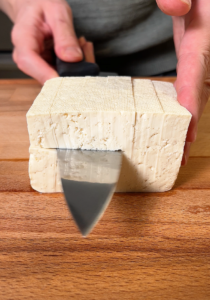
Gently slice tofu into bite-sized cubes. If using silken tofu, handle carefully so it doesn’t break up. Cut green onions as well, set aside.
2. Prepare the broth
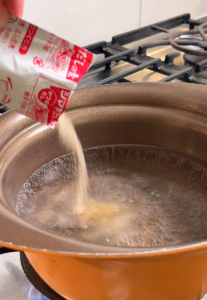
Add water and dashi powder to a medium pot. Warm over medium heat until the dashi is dissolved. Let it simmer lightly for a few minutes to develop flavor, then reduce heat to low.
3. Add dried seaweed/wakame
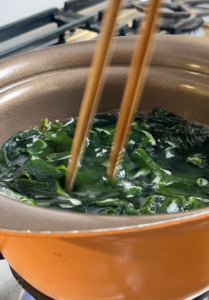
Measure and add dried seaweed directly into the pot. Be precise when measuring as it expands significantly in volume once rehydrated.
4. Warm the tofu in the broth
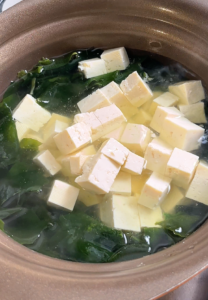
Add the tofu cubes and warm them through. Keep the heat gentle, just warming, not boiling. Add green onions.
5. Turn off the heat and dissolve the miso
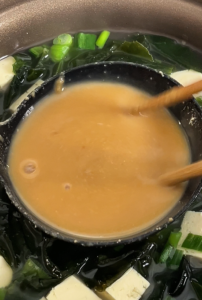
Turn off the heat completely. Put miso in a ladle, add a little hot broth, and whisk until smooth. Stir the miso slurry back into the pot.
6. Serve immediately
Ladle the soup into bowls and enjoy warm. Miso soup is best fresh. The texture and brightness are at their peak right after making it.
Homemade Miso Soup (Easy, Authentic & Better Than Restaurant)
Ingredients
- 4 tbsp Miso
- 4 cups Water
- 4 tsp Dashi powder
- 200 g Tofu (about 1/2 pack)
- 1-2 tbsp Dried wakame seaweed
- 1 Green onion, sliced
Instructions
- Cut the tofu:Gently slice tofu into bite-sized cubes. If using silken tofu, handle carefully so it doesn’t break up. Cut green onions as well, set aside.

- Prepare the broth:Add water and dashi powder to a medium pot. Warm over medium heat until the dashi is dissolved. Let it simmer lightly for a few minutes to develop flavor, then reduce heat to low.

- Add dried seaweed/wakame:Measure and add dried seaweed directly into the pot. Be precise when measuring as it expands significantly in volume once rehydrated.

- Warm the tofu in the broth:Add the tofu cubes and warm them through. Keep the heat gentle — just warming, not boiling. Add green onions.

- Turn off the heat and dissolve the miso:Turn off the heat completely. Put miso in a ladle, add a little hot broth, and whisk until smooth. Stir the miso slurry back into the pot.

- Serve immediately:Ladle the soup into bowls and enjoy warm. Miso soup is best fresh — the texture and brightness are at their peak right after making it.


Pingback: Don’t order miso soup ever again! #misosoup #quickrecipes #japanfood | find my recipes